


FIGURE 1. Photographs of the slab (A) and counter slab (B) of Chromeornis funkyi gen. et sp. nov. STM7-156. Scale bars equal one centimeter.
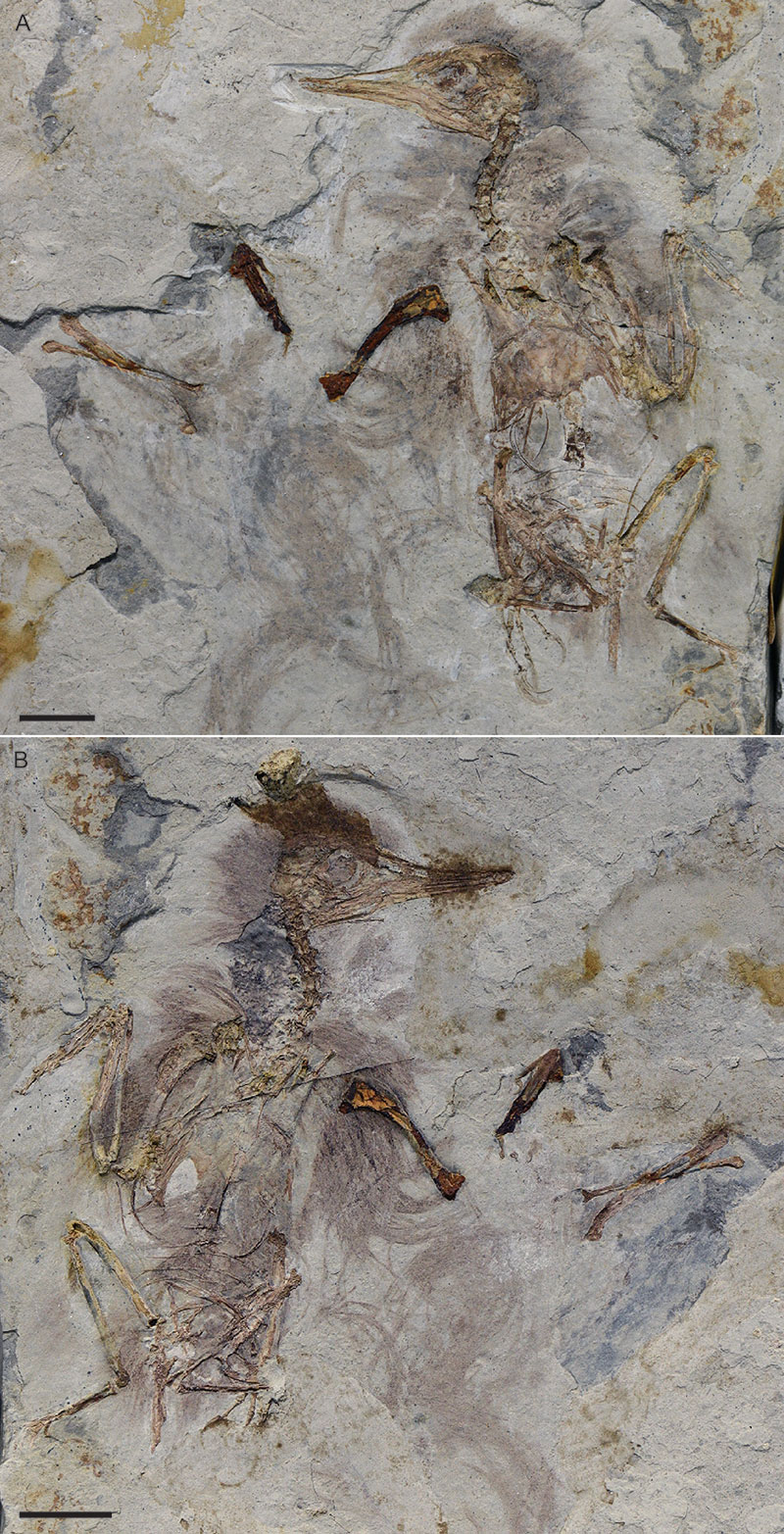
FIGURE 2. Line drawing of the slab (A) and counter slab (B) of Chromeornis funkyi gen. et sp. nov. STM7-156. Anatomical abbreviations: al, alular metacarpal; ca, caudal vertebrae; ce, cervical vertebrae; cm, carpometacarpus; co, coracoid; d1-4, pedal digits 1-4; de, dentary; fe, femur; fr, frontal; fu, furcula; gs, gastralia; gt, gastroliths; hp, hypocleidium; hu, humerus; hy, hyoid; il, ilium; it, intermediate trabecula; jg, jugal; kl, keel; lt, lateral trabecula; ma, major metacarpal; mi, minor metacarpal; mt1-4, metatarsals 1-4; mx, maxilla; na, nasal; p1-5, phalanges 1-5; pa, parietal; pi, pisiform; pm, premaxilla; pu, pubes; py, pygostyle; qd, quadrate; ra, radius; ri, ribs; sc, scapula; sp, scapholunare; st, sternum; sy, synsacrum; tb, tibiotarsus; tm, tarsometatarsus; tv, thoracic vertebrae; ul, ulna; xp, xiphoid process. White indicates well-preserved or moderately well-preserved bone; medium grey represents feathers; dark grey indicates the mass of gastroliths; peach indicates other soft tissues (melanin in the eye and skin). Scale bars equal one centimeter.
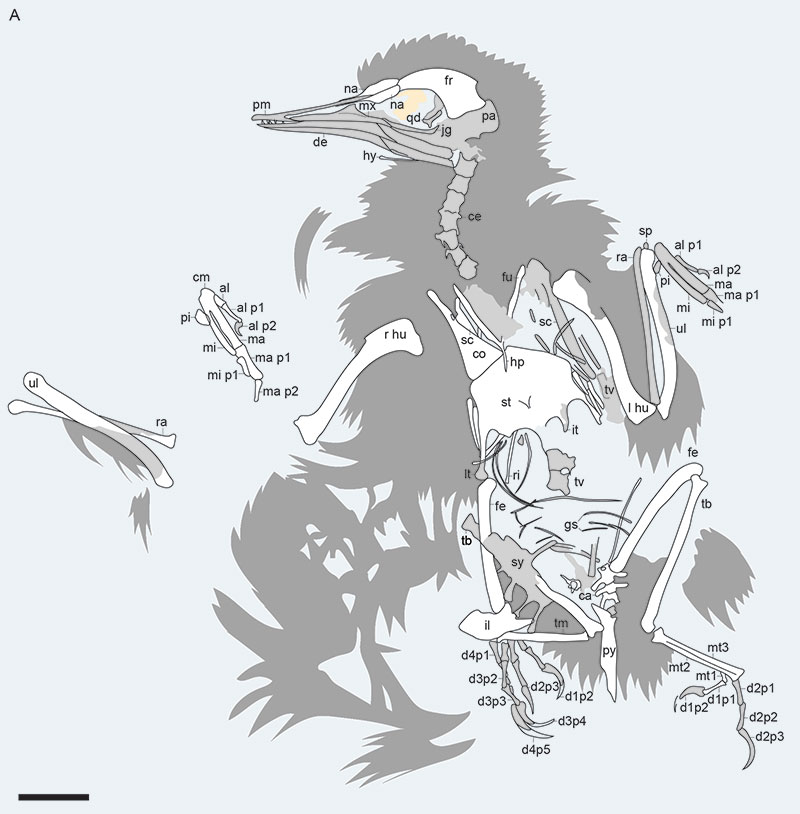
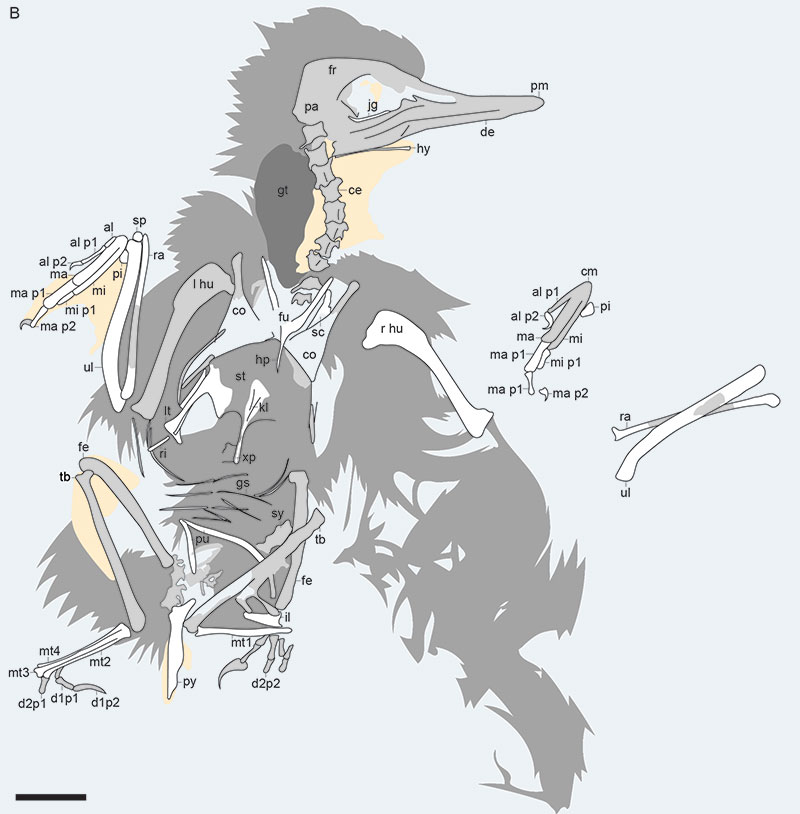
FIGURE 3. Close up photographs of key morphologies preserved in STM7-156. A, skull (main slab); B-C, close-up of the tip of the rostrum (main slab) and interpretative drawing showing the proportionately large teeth; D, impression of the neck (counterslab); E, pygostyle (counterslab); F, left forelimb (counterslab); G, sternum (main slab). Scale bar is one centimeter in A; scale bar is five millimeters in B-G. Anatomical abbreviation not listed in Figure 2 caption: sri, sternal ribs.
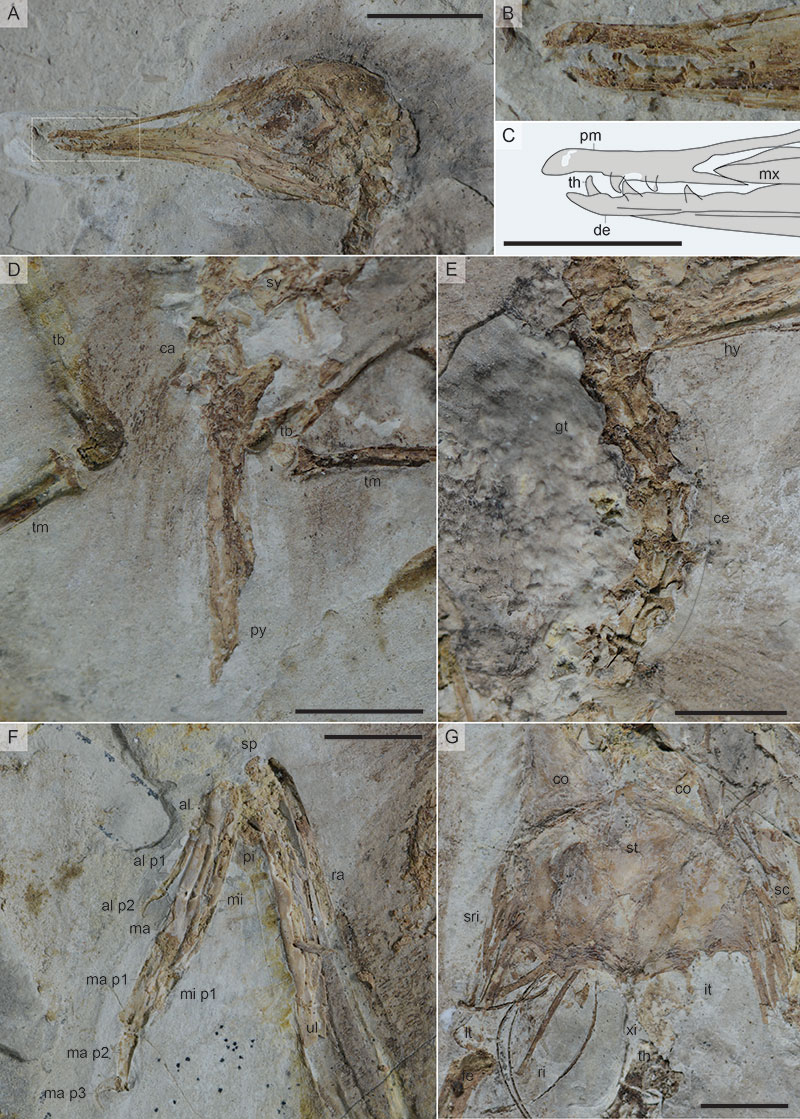
FIGURE 4. Soft tissues in the main slab of STM7-156 photographed under UV light. A, full slab, rectangular boxes indicate regions magnified in B-D; B, close up of the neck region, showing the gastrolith mass overlying the dorsal trace and the ventral traces forming a small gular expansion; C, close up of the left wing showing the postpatagium and a narrow margin of soft tissue along the cranial margin of the hand; D, close up of the caudal half of the skeleton showing the soft tissue outline preserved on the right hindlimb, which suggests the mm. iliotibialis lateralis and iliofibularis were smaller than in neornithines, and the characteristic ‘drumstick’ shape of the mm. tibialis cranialis (cranial surface) and gastrocnemius (caudal surface) - soft tissue is also visible preserved surrounding the pygostyle and along the dorsal margin of the tarsometatarsus. All scale bars equal five millimeters. Anatomical abbreviation not listed in Figure 2 caption: pp, postpatagium; sl, semilunate carpal; tc, tibialis cranialis muscle.
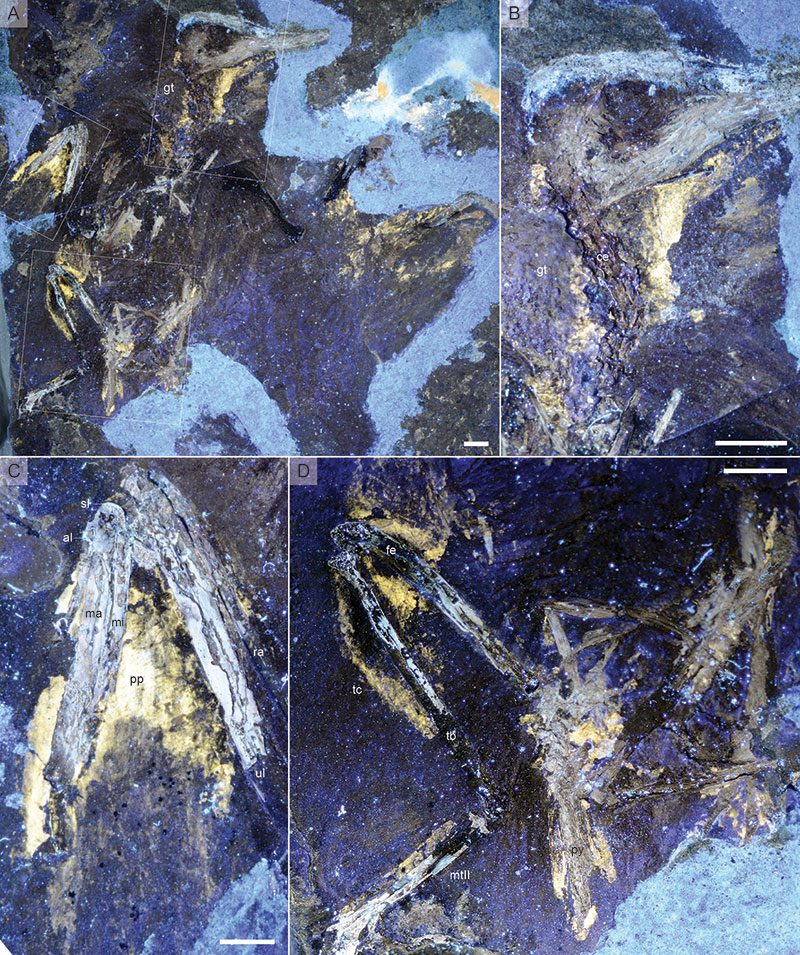
FIGURE 5. Computed tomography slices showing the cross-sectional morphology of Jehol bird gastrolith masses revealing internal spaces, high density regions, and the size and angularity of individual gastroliths. A-E, STM7-156; F-H, Archaeorhynchus IVPP V17075; I-J, Archaeorhynchus IVPP V17091.
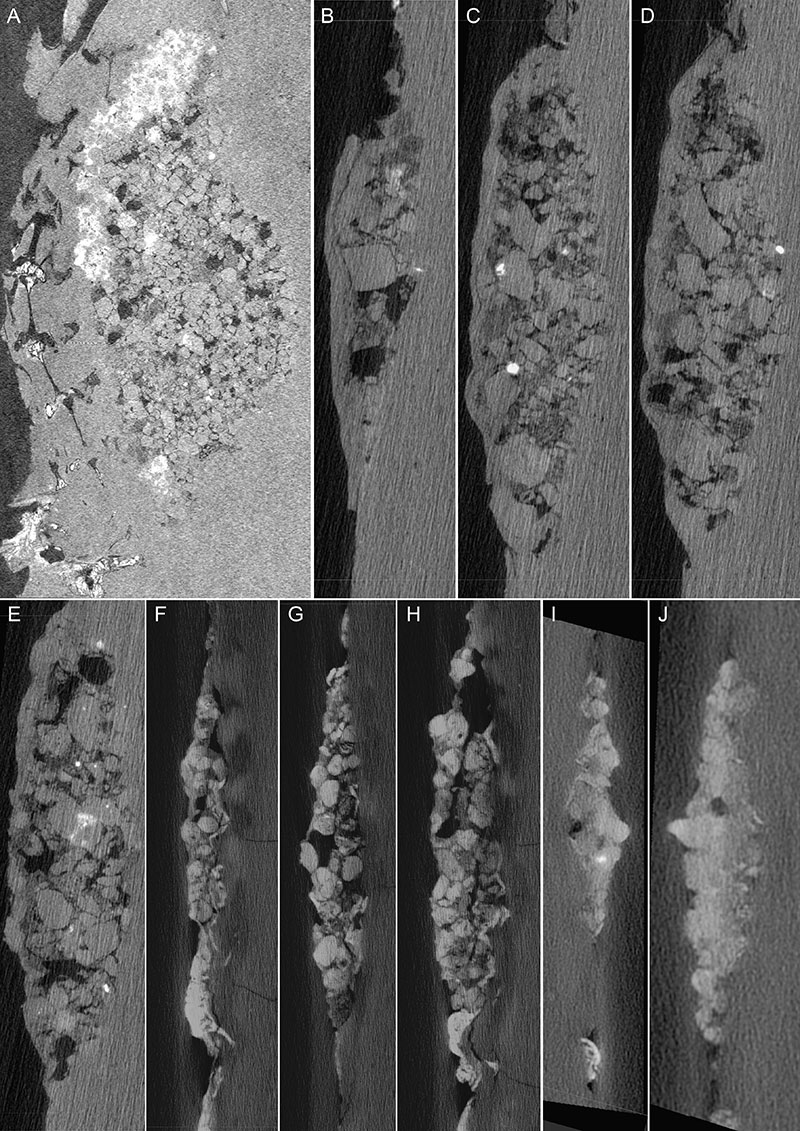
FIGURE 6. Principle component analysis of x-ray fluorescence data taken from the surface of the gastrolith mass (gastrolith matrix) and the sediment matrix indicating that these two sample types are chemically distinct. Analysis indicates the gastrolith matrix has elevated concentrations of Cr, Pb, Cu, and possibly Co, S, and P.
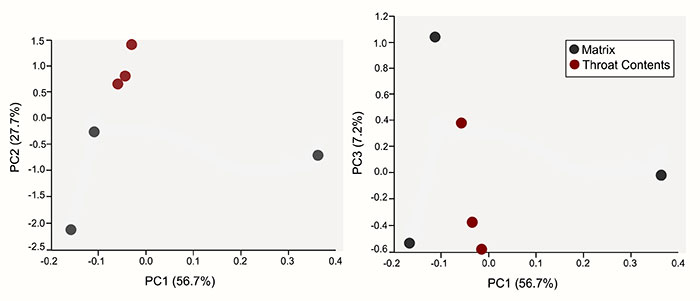
FIGURE 7. Cladogram depicting the hypothetical phylogenetic relationships of Chromeornis STM7-156 based on cladistic analysis. A, reduced consensus of 485 trees with Vorona removed in which most of Enantiornithes consists of a polytomy in which Longipteryx and Chromeornis STM7-156 form a clade; B, 50% majority rule tree in which Longipterygidae is resolved into two subclades: the Longipteryginae, consisting of Longipteryx and Chromeornis STM7-156, and the Longirostravinae, consisting of Longirostravis, Shanweiniao, and Rapaxavis.

